T
Trezor Login — Secure Access to Your Trezor Wallet
A concise, user-friendly guide to connecting and authenticating your Trezor device with Trezor Suite — plus security tips and common fixes.
What is Trezor Login?
Trezor Login refers to the process of connecting your physical Trezor hardware wallet to Trezor Suite (desktop or web) so you can view balances, manage accounts, and sign transactions. Authentication is performed locally: you unlock the device with a PIN and confirm actions on the device screen. Your private keys never leave the Trezor.
How the login works
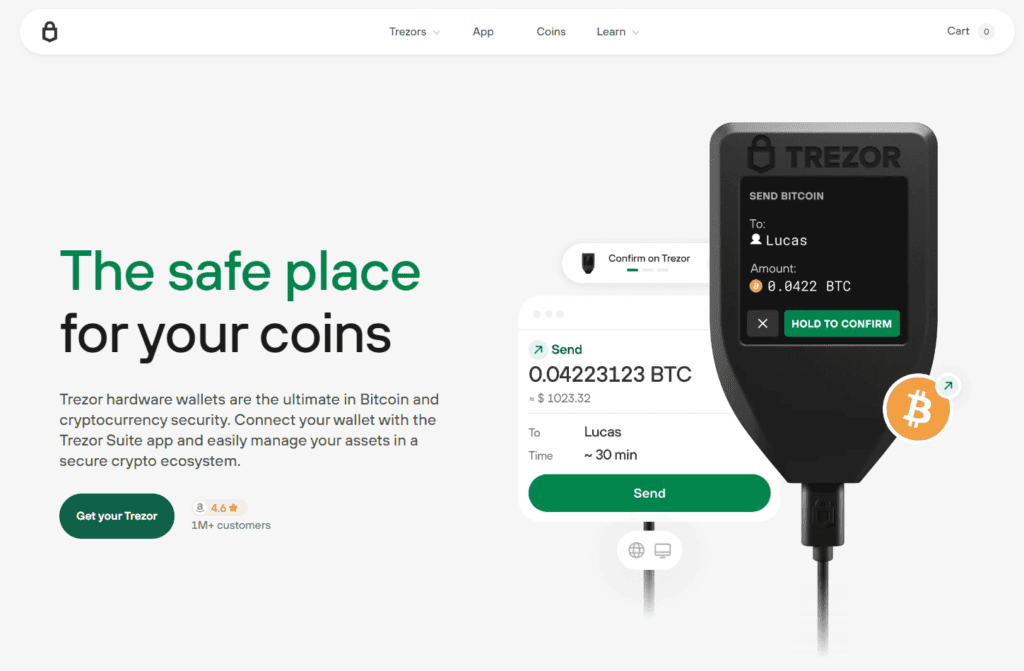
Unlike password-based web accounts, Trezor relies on the security of the hardware device and your recovery seed. When you initiate a session, Trezor Suite reads public account information from the device. For any transaction, the unsigned transaction is prepared in the app and then sent to the Trezor device where you verify recipient details and approve the signature. This two-part flow prevents remote attackers from signing transactions without physical access to your device.
Step-by-step: Signing in safely
Install Trezor Suite from the official source at trezor.io/start and open the app.
Connect your Trezor device to your computer via USB (or USB-C) and power it on.
Enter your PIN directly on the device using the tactile buttons or touchscreen (Model T).
Allow the app to communicate with the device when prompted. You may need to follow on-screen instructions to select or unlock a specific coin app.
After authentication, your accounts and balances will appear in Trezor Suite. Any outgoing transaction requires manual confirmation on the device before it’s broadcast to the network.
Security best practices
Never reveal your recovery seed. Trezor will never ask for it via the app or support.
Choose a strong PIN and cover the device while entering it in public.
Verify the full transaction address and amount on the Trezor device screen before approving; it’s the final source of truth.
Enable passphrase protection for an additional hidden wallet, if you understand how it works.
Keep firmware and Trezor Suite updated. Only download software from trezor.io.
Warning: If a website or app asks you to type your recovery seed or to sign a message containing your seed, it is a scam. Disconnect immediately and report the site.
Troubleshooting common issues
If Trezor Suite does not detect your device, try these quick steps:
Check the USB cable and try a different USB port or cable.
Make sure the device is unlocked with the correct PIN and not in bootloader mode.
Restart Trezor Suite and reconnect the device; on web version, clear browser cache or try another browser.
Update the device firmware via Trezor Suite if prompted.
If using a hub or adapter, connect the device directly to the computer where possible.
Recovery and lost access
If your device is lost, stolen, or wiped, you can restore your wallet using the recovery seed on a new Trezor device or any compatible wallet. If you forget your PIN and the device is wiped after multiple incorrect attempts, restoring from the seed is the intended recovery path — which is why secure offline storage of your seed is crucial.
Trezor Login is designed to be simple yet secure: the hardware device and recovery seed are the core of your security model. Treat them with care, and verify all prompts on your device to keep your crypto safe.
Quick Login Panel (Illustration)
Device statusPIN (enter on device)
ConnectHelp
Tip: Always verify the address shown on your Trezor device screen — it cannot be faked by the connected computer.